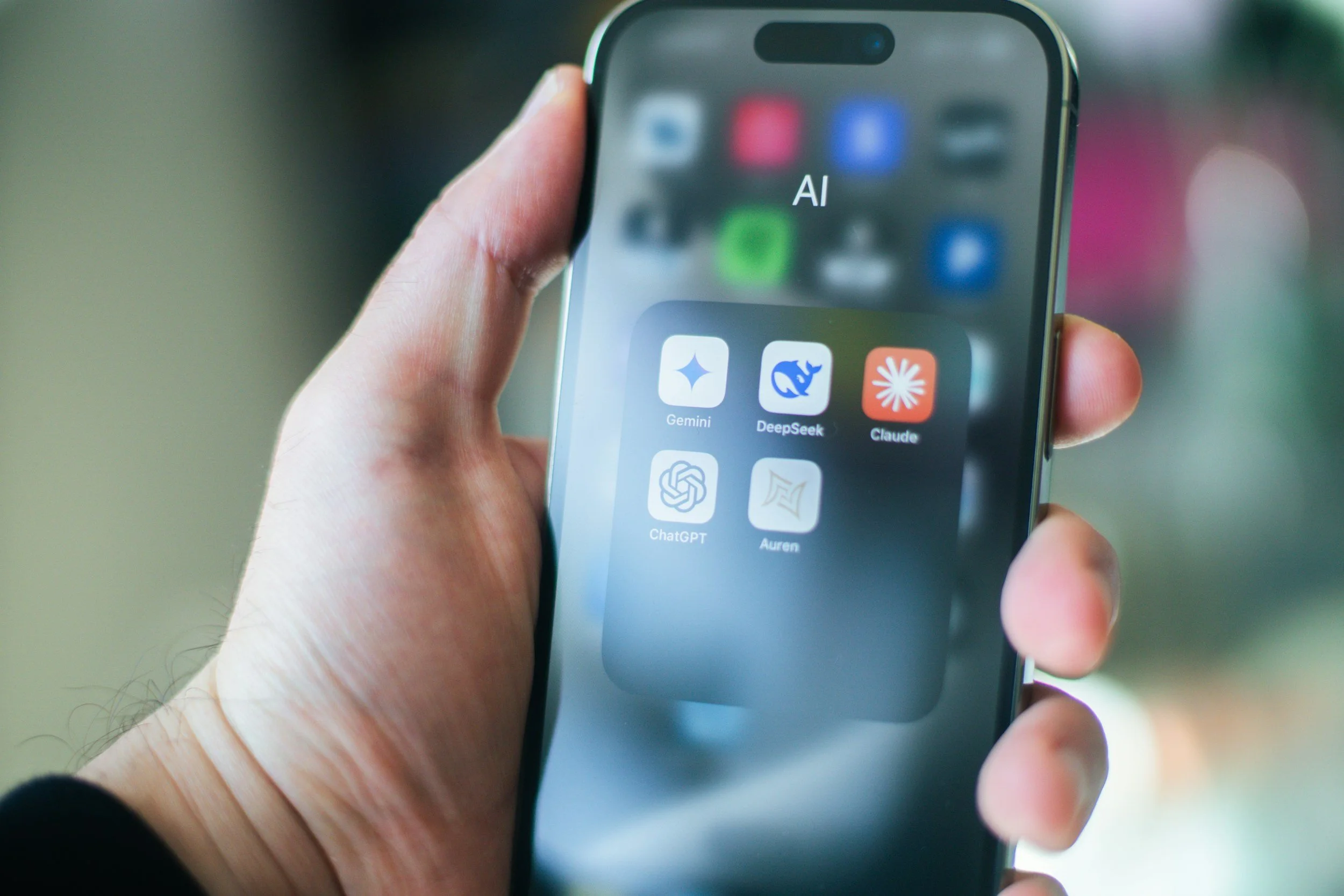
How AI Shortcuts Can Get You Rejected from Your Dream School
AI-generated college essays are getting students rejected. Here's what admissions officers are actually seeing – and how your student can stand out.
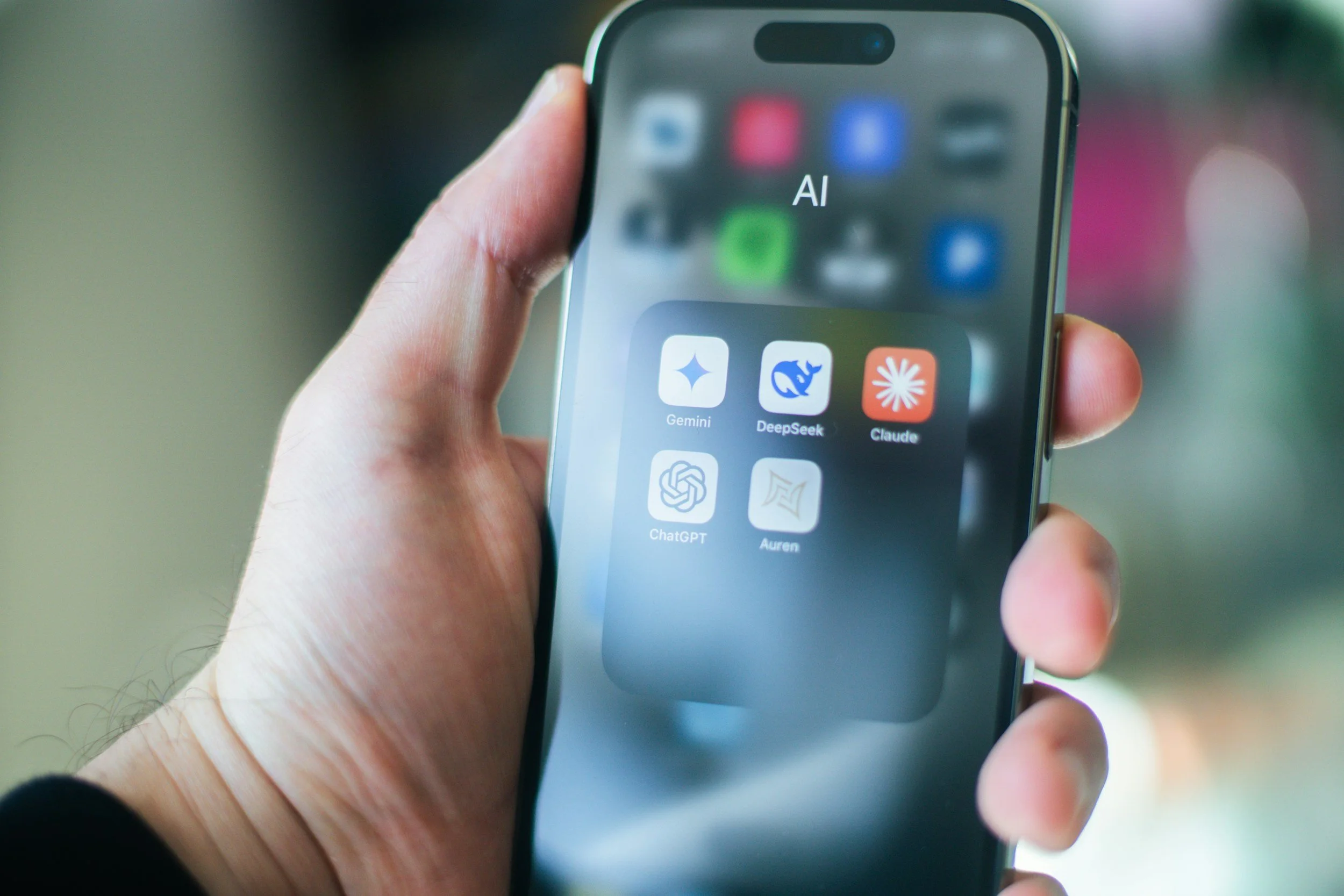
I saw a post the other day from an HR manager warning job seekers against using AI.
She'd experimented with a few popular platforms for generating resumes, inputting information from some of her current employees. What she found was bizarre: formatting came out chaotic, contact details came out wrong, and in one case, a software engineer's work history included a few years as a circus performer.
Not exactly top-of-the-pile applications.
And it's not just HR managers sounding the alarm. College admissions officers are increasingly warning students that AI-generated essays — especially when it's obvious — will get an application rejected on the spot.
Which makes sense. Imagine reading hundreds of submissions and spotting content that's clearly not the student's own voice. What's your instinct? Mine too. If they're cutting corners on their application, what does that say about how they'll show up once they're admitted?
The stakes are too high for a shortcut that isn't really a shortcut.
Come On, Is It Really All That Bad?
Granted, it’s unlikely that you’d generate a response that got your name wrong and called you a circus performer and just send it out without proofreading it.
And granted, there are plenty of AI platforms that won’t hallucinate so wildly, and they’ll only continue to improve.
AI isn’t going anywhere, and it’s going to be part of all of our lives in the future. The key is to recognize its limitations. It’s like any tool: It’s good for some things and not for others. A hammer works great for knocking in a nail, but if you try to use it to bake a birthday cake, you may run into trouble.
Also like any tool, AI depends on the person using it:
A 50-year-old executive may have an established workflow that incorporates AI to help improve quality and efficiency. But that CEO also has decades of experience that allow her to decide where to apply it and how to monitor its performance.
High school students?
They’re more likely to just take whatever an AI spits out and call it good. Even if they want to edit or refine it, they may not have the skills to do so. More importantly, an AI-generated essay—even supposing it doesn’t make any major errors – will always be missing the most important element for college admissions officers who want to get to know you as a unique individual: you.
AI and the Eternal Temptation
AI may be new, but the temptation it provides is anything but.
Students have always had to grapple with the devil on one shoulder, urging them to take shortcuts, even, in some cases, to cheat. But as the old saying goes, when you cheat, you only cheat yourself.
So what are students cheating themselves out of when they succumb to the urge to take AI shortcuts with their college essays?
For one thing, even if they avoid getting rejected immediately, they miss the opportunity to stand out from their competition with a strong, personality-driven essay that expresses who they are and what they think. For another, they miss a chance to learn and practice portable writing skills they can take with them into college and beyond.
But it’s more than that:
Applying to colleges provides an opportunity to reflect on a major life change. For many students, it will be their first. Moving away from home, living independently, taking more of an active role in the direction of their education—these are all huge transitions, even if students can only vaguely intuit their scope from the comfort of their teenage homes and schools.
Most college essay topics are designed to help them answer the big human questions that arise with any major life transition: Who am I? Where have I been? Where am I going?
Confronting those questions and crafting them into a thoughtful essay isn’t just for the college admissions staff. It’s for you, too. And before long, college-bound students will be college graduates entering the job market, experiencing their next major life change. Every habit they’ve cultivated – positive or negative – will come into play then, too.
A Human Coach Won’t Steer You Wrong
It can be hard to keep that bigger picture in mind when college applications feel like just another stressful demand in an already overwhelming schedule. That’s why having guidance and a dedicated space and time to focus can be so essential.
The question isn't whether your student uses AI. It's whether they know how to use it without it using them. This summer, we're offering workshops on responsible AI use in academic work – practical skills for students who want to stay ahead of the curve.
And if your student is ready to write a college essay that actually sounds like them, our coaches are ready to help. Set up a free consultation.